Coffee Export Standards to Japan
Japan is known as one of the most demanding coffee consumption markets in the world. To successfully enter this market, exporters must not only meet sensory quality requirements but also strictly adhere to technical barriers and food safety regulations.
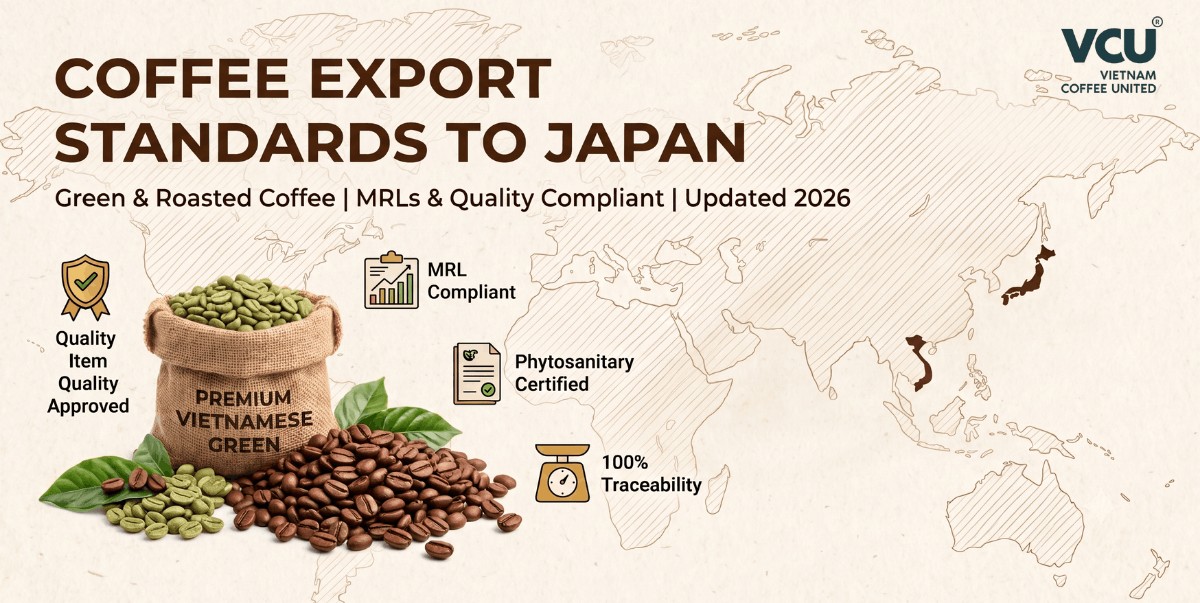
1. Market Overview & Vietnam’s Coffee Export Volume (2026 Update)
Japan maintains its position as a key coffee consumption destination for Vietnam in Asia and remains one of the largest importing markets globally.
-
Updated H1 2026 Export Volume: In the first half of 2026, Vietnam’s global coffee exports exceeded 1 million metric tons, reaching a value of approximately USD 4.8 billion. Of this total, coffee exports to Japan were estimated at 50,000 – 55,000 metric tons, contributing steadily to the projected annual volume of 70,000 – 100.000 metric tons/year.
-
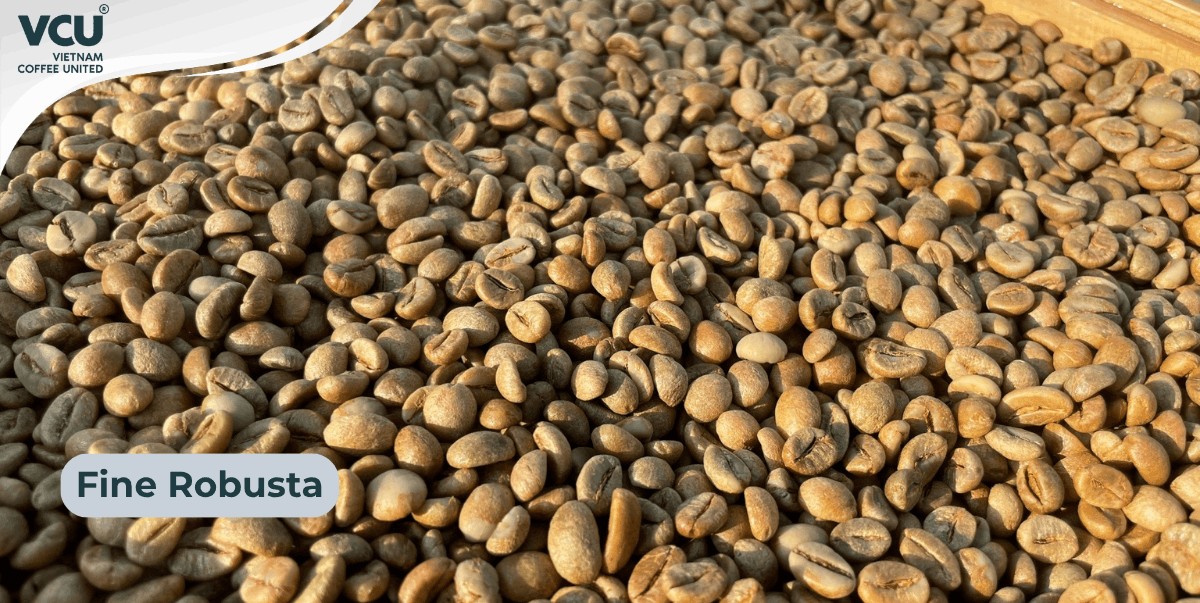
Product Shift Towards Deep Processing: Deeply processed coffee products (whole-bean roasted coffee, ground coffee, and instant coffee) continued their impressive growth, accounting for over 20% of total export turnover. The Japanese market shows a clear rise in demand for Fine Robusta and whole-bean roasted blends tailored for espresso extraction.
Read more:
Top 5 reputable coffee export companies in Vietnam [2026 Update]
2. Technical Standards for Exporting Coffee to Japan
Japan regulates imported agricultural quality under the Food Sanitation Act in conjunction with the Positive List System, which controls over 800 agricultural chemicals.
A. Standards for Green Coffee Beans
Green coffee beans account for the primary export volume but face stringent controls regarding chemical residues and pests:
| Technical Criteria | Commercial & Legal Standard Requirements |
| Moisture Content | Maximum 12.5% |
| Black & Broken Beans Ratio | Below 2% (Applicable to Grade 1 standards) |
| Foreign Matter | Below 0.5% |
| Screen Size | Predominantly Screen 16 or Screen 18 (uniformity > 90%) |
| Maximum Residue Limit (MRL) | Mandatory compliance with MHLW’s Positive List System (specifically Glyphosate and Chlorpyrifos, with a default threshold not exceeding 0.01 ppm) |
| Phytosanitary Certification | Must hold a official Certificate confirming no infestation of live pests or mold contamination (Ochratoxin A) |
B. Standards for Roasted Coffee Beans
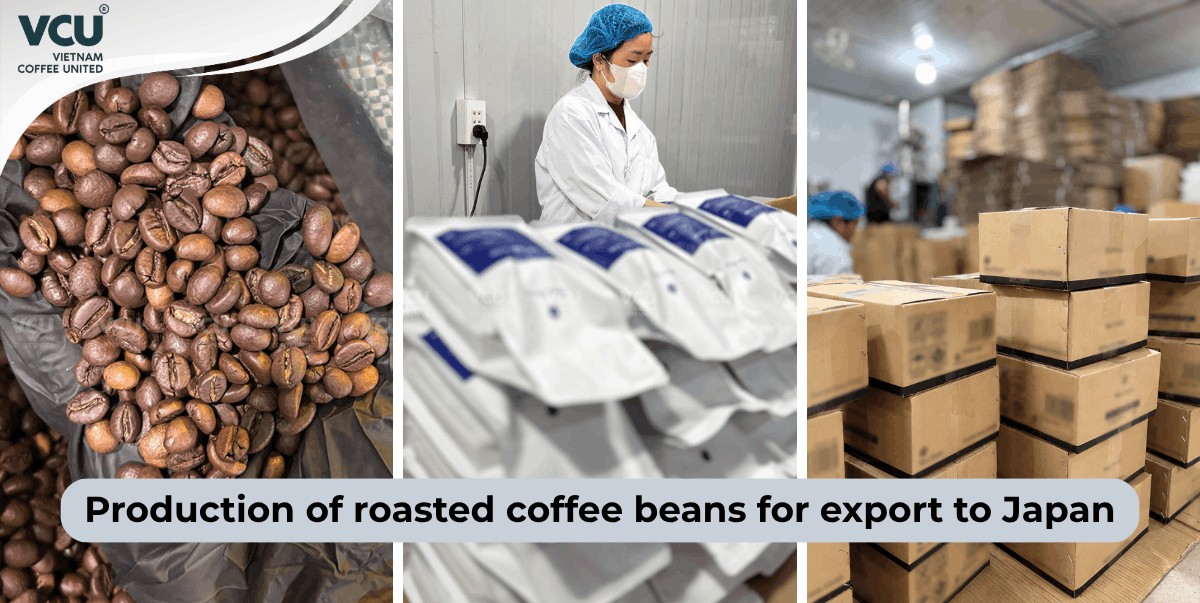
For value-added roasted coffee products, Japanese quarantine authorities pay special attention to biochemical safety, additives, and protective packaging:
-
Biochemical Safety (Acrylamide Levels): The roasting process requires precise temperature controls to prevent bean scorching, which generates the harmful chemical compound Acrylamide.
-
Packaging & Preservation: Mandatory use of food-grade aluminum/plastic composite films certified for food contact safety in Japan, fitted with a one-way degassing valve to allow CO2 release while preventing oxidation.
-
Labeling Requirements:
-
Mandatory Japanese supplementary label.
-
Required disclosures: Product name, country of origin (Vietnam), roasting date, expiration date, storage instructions, and contact details of the Japanese importer.
-
Full transparency of all additives used (if any).
-
3. Inspection Procedure & Customs Clearance at Japanese Ports
-
Import Quarantine Declaration: The importer submits the documentation to the Food Inspection Station under the Ministry of Health, Labour and Welfare (MHLW).
-
Sampling & Testing (Monitoring Inspection): Quarantine officials conduct random sampling to test for microbiological criteria, mold, and chemical residues.
-
Customs Clearance: Shipments are released for domestic distribution only upon achieving 100% compliance. Any detected MRL violations will result in mandatory destruction or re-export of the shipment.
4. VCU – Your Trusted Supplier of Green Beans & Roasted Coffee to Japan
Proudly serving as a proven supplier that has successfully exported both green coffee beans and roasted coffee to the Japanese market, VCU demonstrates full capability to satisfy the strictest technical barriers:
-
Standardized Raw Materials: Coffee cherries are harvested at peak ripeness and processed systematically (Washed, Honey, Natural) from key sourcing regions in Vietnam.
-
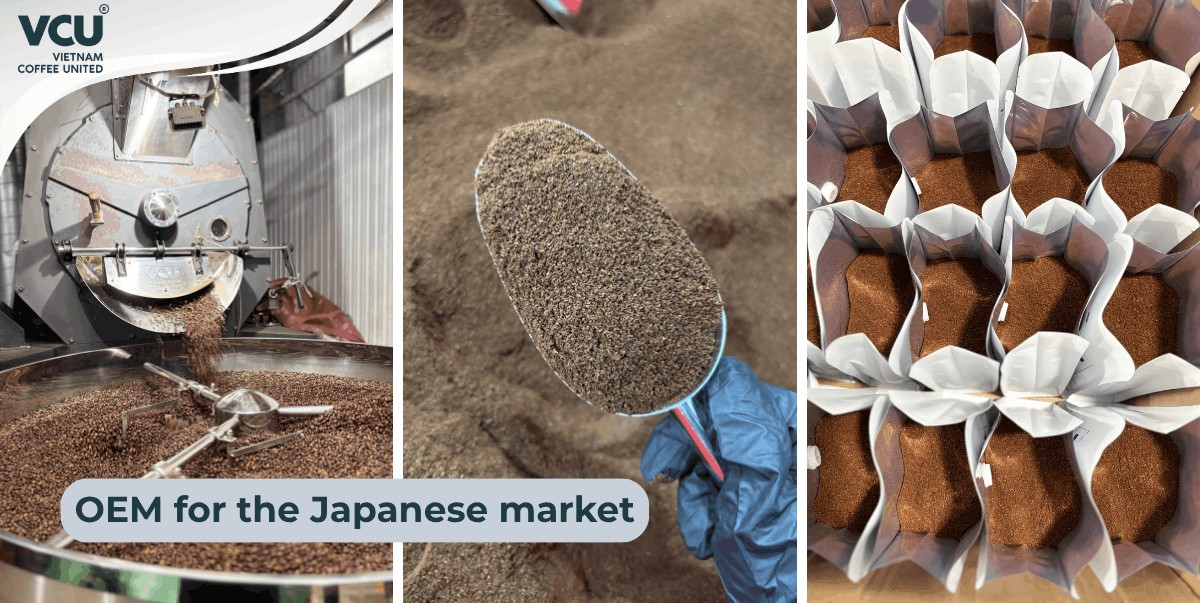
Modern Roasting Technology: Advanced hot-air roasting systems ensure even heat distribution from core to surface, preserving natural flavor profiles while strictly controlling Acrylamide safety indicators.
-
Turnkey B2B Solutions: VCU delivers versatile solutions ranging from raw material supply and OEM roasted coffee contract manufacturing to complete assistance with phytosanitary documentation and Certificates of Origin (C/O) for Japan export.
Contact VCU today to receive a detailed quote and customized consulting solutions for exporting coffee to Japan!
Contact Information
VCU Joint Stock Company (VCU JSC)
– Fanpage: VCU – Vietnam Coffee United