
Cà phê nhân xanh là gì?
Cà phê nhân xanh là gì? Cà phê nhân xanh là nguyên liệu đầu vào quyết định chất lượng của mọi sản phẩm cà phê rang xay. Từ hương vị, độ đồng đều khi rang đến giá trị thương mại đều chịu ảnh hưởng trực tiếp từ chất lượng hạt nhân trước khi chế biến.
Là đơn vị hoạt động trong lĩnh vực cà phê, VCU hiểu rằng việc lựa chọn và kiểm soát chất lượng cà phê nhân xanh đóng vai trò quan trọng trong việc tạo nên những sản phẩm đạt tiêu chuẩn. Hãy cùng tìm hiểu “cà phê nhân xanh là gì” và vì sao chúng được xem là “trái tim” của ngành cà phê.
Cà phê nhân xanh là gì?
Cà phê nhân xanh, còn được gọi là cà phê hạt xanh, chính là phần hạt nằm bên trong của quả cà phê. Quả tươi sau khi thu hoạch sẽ được bóc tách hoàn toàn lớp vỏ ngoài, thịt quả và vỏ trấu, sau đó đem phơi hoặc sấy khô để thu được hạt nhân.
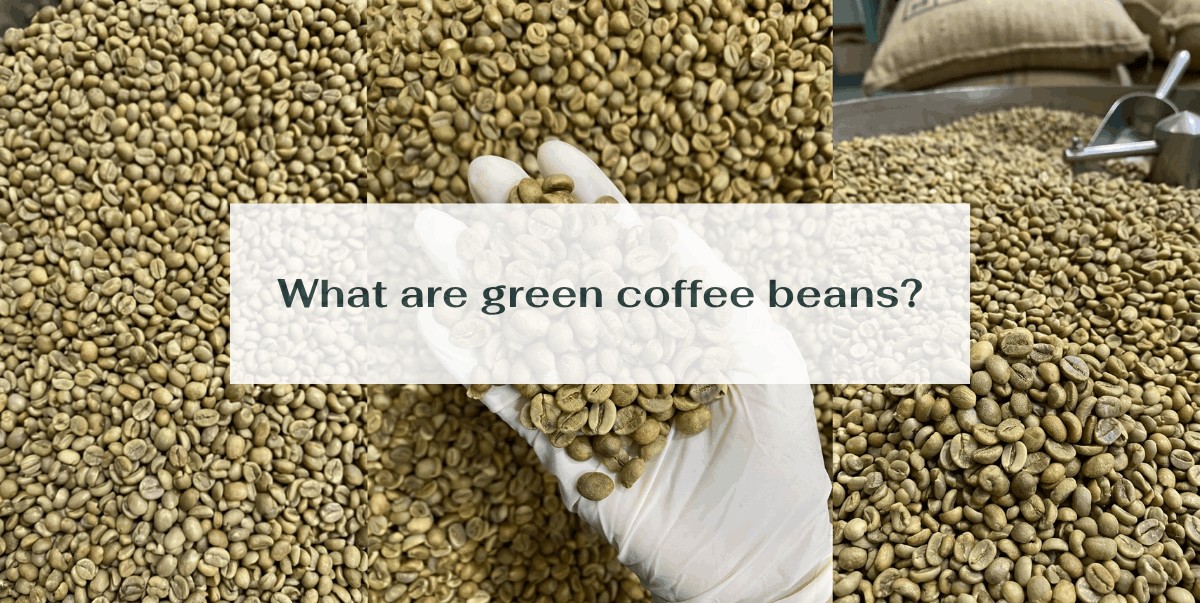
Đặc điểm quan trọng nhất của loại hạt này là chúng ở trạng thái hoàn toàn thô nguyên bản và chưa hề trải qua bất kỳ quá trình rang nhiệt nào.
Hiểu rõ “cà phê nhân xanh là gì” là bước đầu tiên để hiểu về chất lượng cà phê và quá trình rang xay.
Vì sao được xem là “trái tim” của ly cà phê?
Để hiểu rõ hơn cà phê nhân xanh là gì, trước tiên cần biết vì sao loại nguyên liệu này có vai trò quan trọng đối với chất lượng cà phê.
Mọi hương vị của cà phê sau khi rang đều bắt nguồn từ chất lượng nguyên liệu đầu vào. Một nhà rang có thể tối ưu hồ sơ rang, nhưng không thể biến những hạt cà phê chất lượng thấp thành sản phẩm cao cấp.
Cà phê nhân xanh chứa các hợp chất quan trọng như đường, protein, lipid, caffeine và axit hữu cơ. Trong quá trình rang, các hợp chất này tham gia vào những phản ứng hóa học tạo nên hương thơm, vị ngọt, độ chua và hậu vị đặc trưng của cà phê.
Đặc điểm của cà phê nhân xanh
Để hiểu rõ hơn "cà phê nhân xanh là gì", trước tiên cần biết vì sao loại nguyên liệu này có vai trò quan trọng đối với chất lượng cà phê.
Cà phê nhân xanh sở hữu những đặc điểm riêng biệt về hình dáng, màu sắc và thành phần cấu tạo bên trong hạt. Đây cũng là những yếu tố quan trọng giúp các nhà rang xay, doanh nghiệp thu mua và xuất khẩu đánh giá chất lượng nguyên liệu trước khi đưa vào sản xuất.
Hình dạng và màu sắc của hạt cà phê
Cà phê nhân xanh thường có hình bầu dục, ở giữa có đường rãnh đặc trưng. So với cà phê rang, hạt cứng hơn, có màu xanh lục hoặc xanh vàng và gần như không có mùi thơm rõ rệt.
Những hạt cà phê nhân xanh chất lượng thường có màu sắc đồng đều, ít khuyết tật và kích thước tương đối ổn định. Đây là những yếu tố quan trọng giúp đánh giá chất lượng nguyên liệu ban đầu.
Thành phần bên trong hạt cà phê
Bên trong cà phê nhân xanh chứa nhiều thành phần có giá trị:
- Caffeine tạo nên vị đắng đặc trưng.
- Axit hữu cơ tạo độ chua tự nhiên.
- Carbohydrate và đường tạo vị ngọt hậu.
- Protein tham gia phản ứng Maillard khi rang.
- Lipid góp phần hình thành hương thơm.
Sự cân bằng của các thành phần này ảnh hưởng trực tiếp đến chất lượng cảm quan của sản phẩm sau rang.
Thành phần này giúp giải thích rõ hơn "cà phê nhân xanh là gì” và vì sao chúng đóng vai trò quan trọng trong sản xuất cà phê.
Hành trình từ quả cà phê đến cà phê nhân xanh
Một phần quan trọng khi tìm hiểu “cà phê nhân xanh là gì?” chính là quá trình chuyển đổi từ quả cà phê tươi thành hạt cà phê nhân xanh.
Thu hoạch quả cà phê
Để tạo ra cà phê nhân xanh chất lượng, khâu thu hoạch đóng vai trò rất quan trọng. Những quả cà phê chín đúng độ thường chứa hàm lượng đường cao hơn, giúp nâng cao chất lượng hương vị sau chế biến.
Hiện nay, nhiều vùng nguyên liệu áp dụng phương pháp thu hái chọn lọc nhằm nâng cao chất lượng sản phẩm và giảm tỷ lệ hạt lỗi.
Các phương pháp chế biến phổ biến
Có nhiều phương pháp chế biến cà phê nhân xanh, trong đó phổ biến nhất gồm:
Chế biến khô (Natural Process): Quả cà phê được phơi nguyên trái trước khi tách vỏ. Phương pháp này thường tạo ra hương vị ngọt đậm và nhiều nốt hương trái cây.
Chế biến ướt (Washed Process): Thịt quả được loại bỏ trước khi lên men và rửa sạch. Hạt cà phê có hương vị sạch, độ chua rõ ràng và ổn định hơn.
Chế biến Honey (Honey Process): Giữ lại một phần lớp nhầy trên hạt trong quá trình phơi, tạo sự cân bằng giữa độ ngọt và độ sạch của hương vị.
Phân loại và bảo quản
Sau khi sơ chế, cà phê nhân xanh được phân loại dựa trên kích thước, mật độ, màu sắc và tỷ lệ lỗi. Đây là bước quan trọng giúp đảm bảo tính đồng đều của nguyên liệu trước khi rang xay hoặc xuất khẩu.
Phân loại và bảo quản đúng cách là một phần quan trọng khi tìm hiểu "cà phê nhân xanh là gì?" và cách duy trì chất lượng của hạt.
Các loại cà phê nhân xanh phổ biến hiện nay
Nếu đang tìm hiểu “cà phê nhân xanh là gì?”, bạn cũng nên biết các loại cà phê nhân xanh phổ biến hiện nay trên thị trường.
Cà phê nhân xanh Robusta
Robusta là giống cà phê được trồng phổ biến nhất tại Việt Nam. Loại cà phê nhân xanh này nổi bật với hàm lượng caffeine cao, vị đắng mạnh và body dày.
Nhờ khả năng thích nghi tốt với điều kiện khí hậu nhiệt đới, Robusta hiện chiếm phần lớn sản lượng cà phê nhân xanh xuất khẩu của Việt Nam.
Đọc thêm: Robusta Green Beans Coffee
Cà phê nhân xanh Arabica
Arabica được đánh giá cao nhờ hương thơm phong phú, độ chua thanh và hậu vị ngọt. Loại cà phê nhân xanh này thường xuất hiện trong các dòng cà phê cao cấp và cà phê đặc sản.
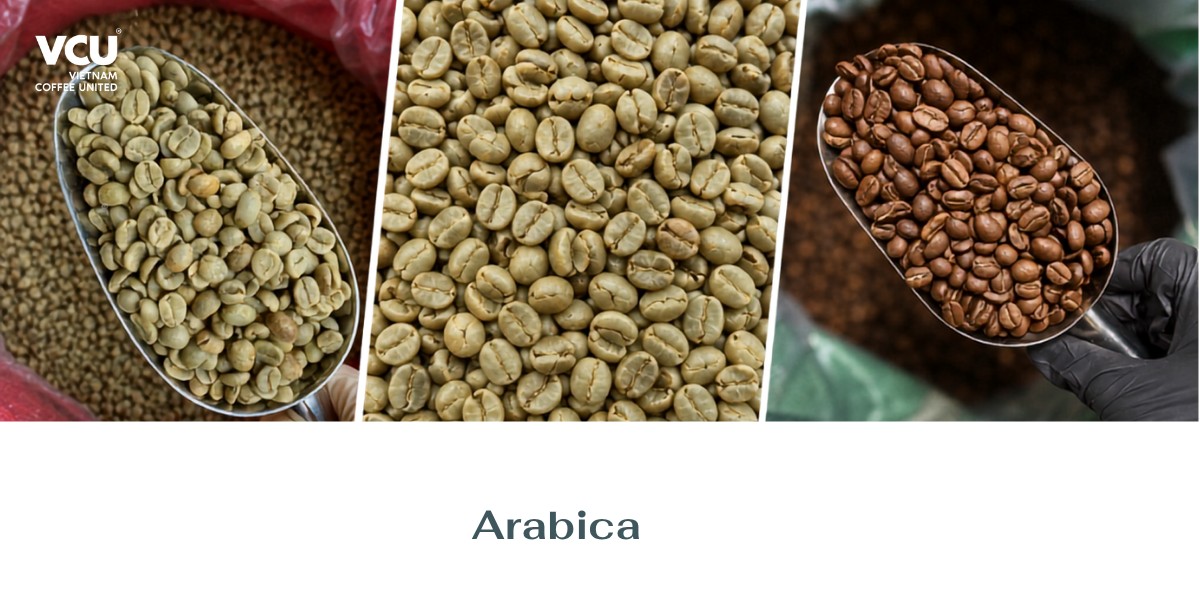
Tại Việt Nam, Arabica được trồng chủ yếu tại Đà Lạt, Sơn La và một số vùng có độ cao lớn, khí hậu mát mẻ quanh năm.
Đọc thêm: Arabica Green Beans Coffee
Cà phê nhân xanh Culi
Culi nổi bật với hương thơm đậm, vị mạnh và hàm lượng caffeine cao. Loại cà phê nhân xanh này thường được sử dụng để tạo nên những dòng cà phê có hương vị đặc trưng.
Tại Việt Nam, Culi được tuyển chọn từ các vùng nguyên liệu chất lượng cao và có giá trị thương mại cao nhờ tỷ lệ xuất hiện tự nhiên thấp.
Đọc thêm: Culi Robusta
Cà phê nhân xanh Excelsa
Excelsa là một biến thể của Liberica, tại Việt Nam được gọi với tên Cà phê Mít. Loại cà phê nhân xanh này nổi bật với hương thơm độc đáo, vị chua nhẹ và hậu vị kéo dài, tạo nên sự khác biệt so với nhiều dòng cà phê khác.
Nhờ khả năng thích nghi tốt với điều kiện khí hậu khô hạn và sức chống chịu cao, Excelsa thường được sử dụng trong các dòng phối trộn nhằm tăng độ phức hợp hương vị cho sản phẩm cà phê thành phẩm.
Đọc thêm: Cà phê nhân xanh Excelsa
Tìm hiểu các giống cà phê khác nhau là một phần quan trọng để hiểu rõ hơn "cà phê nhân xanh là gì?"
Tiêu chí đánh giá chất lượng cà phê nhân xanh
Độ ẩm tiêu chuẩn
Độ ẩm là yếu tố quan trọng trong việc đánh giá và bảo quản cà phê nhân xanh. Thông thường, độ ẩm lý tưởng dao động từ 10% đến 12%.
Nếu độ ẩm quá cao, hạt có nguy cơ bị nấm mốc, giảm chất lượng và ảnh hưởng đến quá trình rang xay.
Kích thước và mật độ hạt
Những lô cà phê nhân xanh có kích thước đồng đều thường cho khả năng rang ổn định hơn. Bên cạnh đó, mật độ hạt cao cũng là dấu hiệu cho thấy hạt phát triển tốt và có tiềm năng hương vị cao hơn.
Tỷ lệ lỗi và tạp chất
Chất lượng của cà phê nhân xanh còn được đánh giá dựa trên tỷ lệ hạt lỗi như hạt đen, hạt vỡ, hạt sâu bệnh hoặc tạp chất.
Tỷ lệ lỗi càng thấp thì giá trị thương mại của lô hàng càng cao, đồng thời giúp doanh nghiệp tối ưu hiệu quả sản xuất.
Vai trò của cà phê nhân xanh trong rang xay và xuất khẩu
Đối với hoạt động rang xay
Chất lượng của cà phê nhân xanh ảnh hưởng trực tiếp đến kết quả của quá trình rang. Những hạt đồng đều về kích thước, độ ẩm và mật độ giúp nhà rang kiểm soát nhiệt tốt hơn, từ đó tạo ra sản phẩm có hương vị ổn định.
Đây là lý do các doanh nghiệp rang xay luôn ưu tiên lựa chọn nguồn nguyên liệu chất lượng và có khả năng truy xuất nguồn gốc rõ ràng.
Đối với hoạt động xuất khẩu
Việt Nam hiện là một trong những quốc gia xuất khẩu cà phê lớn nhất thế giới. Trong đó, cà phê nhân xanh chiếm tỷ trọng đáng kể trong tổng kim ngạch xuất khẩu của ngành.
Việc nâng cao chất lượng cà phê nhân xanh không chỉ giúp gia tăng giá trị sản phẩm mà còn góp phần khẳng định vị thế của cà phê Việt Nam trên thị trường quốc tế.
Đây cũng là lý do vì sao câu hỏi “cà phê nhân xanh là gì?” luôn được nhiều nhà thu mua và nhập khẩu cà phê quan tâm.
Cách bảo quản cà phê nhân xanh đúng tiêu chuẩn
Điều kiện bảo quản lý tưởng
Để duy trì chất lượng, cà phê nhân xanh cần được bảo quản trong môi trường khô ráo, thoáng khí và tránh ánh nắng trực tiếp. Kho lưu trữ phải được kiểm soát độ ẩm nhằm hạn chế nguy cơ phát sinh nấm mốc.
Ngoài ra, hạt nên được chứa trong bao bì phù hợp và đặt trên pallet để tránh tiếp xúc trực tiếp với nền kho.
Những sai lầm cần tránh
Một số sai lầm phổ biến khi bảo quản cà phê nhân xanh gồm:
- Để hạt trong môi trường có độ ẩm cao.
- Tiếp xúc trực tiếp với nền đất hoặc nền bê tông.
- Bảo quản gần các nguồn phát sinh mùi mạnh.
- Không kiểm tra định kỳ chất lượng hạt.
Những yếu tố này có thể làm suy giảm đáng kể chất lượng nguyên liệu.
Góc nhìn từ VCU
Sau khi hiểu rõ “cà phê nhân xanh là gì?”, có thể thấy rằng mọi công đoạn từ thu hoạch, sơ chế đến bảo quản đều ảnh hưởng trực tiếp đến chất lượng cà phê. Đây không chỉ là nguyên liệu đầu vào của ngành rang xay mà còn là yếu tố quyết định hương vị, giá trị thương mại và khả năng cạnh tranh của sản phẩm trên thị trường.

Tại VCU, chúng tôi hiểu rằng chất lượng luôn bắt đầu từ nguyên liệu. Việc lựa chọn và kiểm soát chất lượng cà phê nhân xanh là nền tảng để tạo nên những sản phẩm cà phê ổn định, đáp ứng nhu cầu của khách hàng và thị trường trong nước cũng như quốc tế.
Hy vọng bài viết này đã giải đáp cho bạn câu hỏi “Cà phê nhân xanh là gì?”. Nếu muốn tìm hiểu thêm về "cà phê nhân xanh là gì”, hãy liên hệ VCU để được hỗ trợ.
Thông tin liên hệ
Công ty Cổ phần VCU (VCU JSC)
– Fanpage: VCU – Vietnam Coffee United